
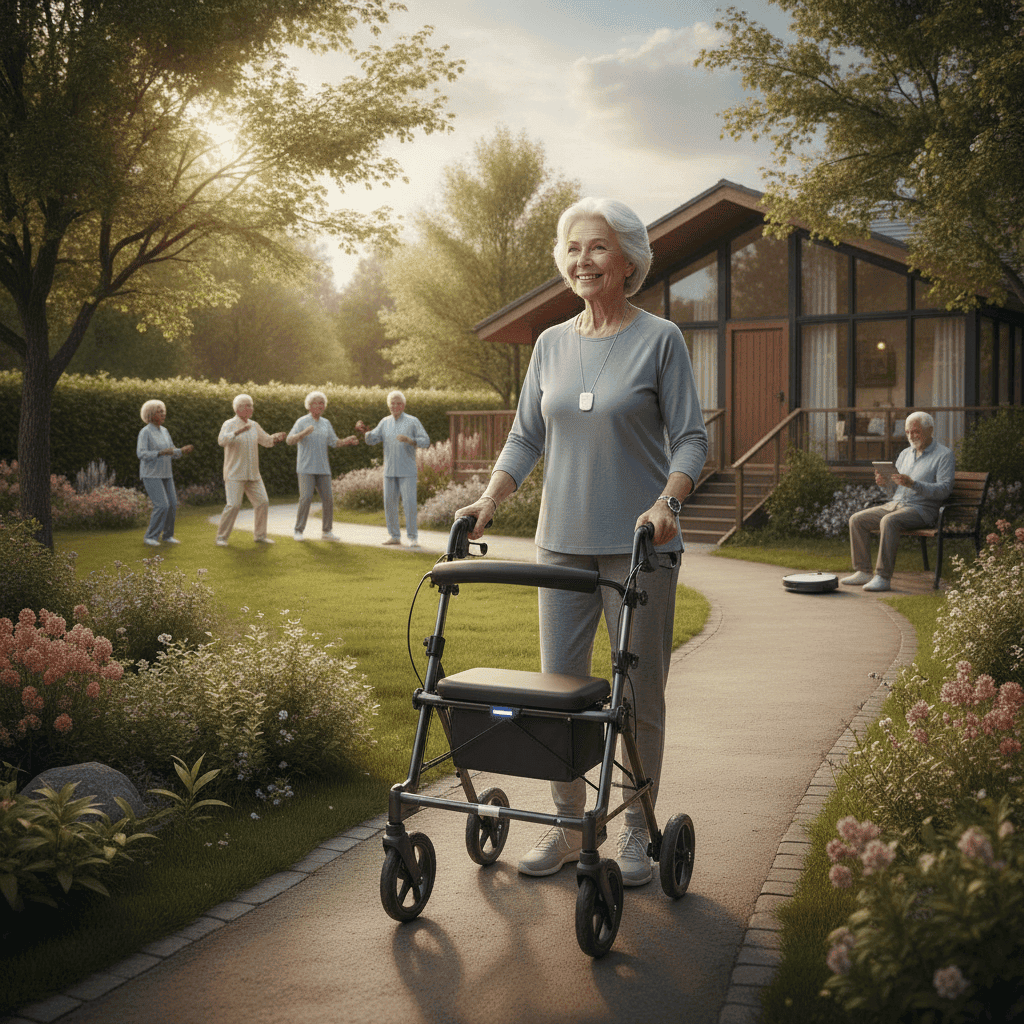
Enhanced Safety and Independence for Seniors
As we get older, the desire to maintain our lifestyle and stay in our homes often grows stronger. I understand this deeply because I have seen firsthand how important it is for seniors to feel secure and in control of their daily lives. The truth is that staying safe and independent does not happen by accident. It requires thoughtful planning and a proactive approach.
Many people dream of aging in place, surrounded by familiar comforts and cherished memories. This goal is entirely achievable with the right strategies and support systems in place. We can build a foundation of security and empower seniors to live full, active lives on their own terms.
I believe that focusing on enhanced safety and independence for seniors is a key part of living a good life. It means looking at daily routines, home environments, and available resources. By making informed choices today, we can help ensure a brighter and more secure tomorrow for ourselves and our loved ones.
Creating a Safe Home Environment for Senior Living
Making a home safer for seniors is a practical and necessary step toward maintaining independence. I always advise people to start with a careful look at their living spaces. Simple changes can make a big difference in preventing falls and accidents, which are major concerns for older adults.
Think about the floors, for example. Loose rugs or uneven surfaces are trip hazards. I suggest securing all rugs with non-slip backing or removing them entirely. Keeping pathways clear of clutter is also vital. This includes electrical cords, stacks of magazines, and small furniture items that might get in the way.
Lighting is another area that often gets overlooked. Bright, uniform lighting throughout the home helps seniors see obstacles clearly and reduces shadows that can cause confusion. Installing nightlights in hallways and bathrooms is a smart move, and so is placing lamps within easy reach of beds and chairs.
Assessing Common Household Hazards
When I help families look at their homes, we usually focus on specific areas that present the most risks. The bathroom, for instance, is a prime location for slips because of wet surfaces. I recommend installing grab bars near the toilet and inside the shower or bathtub. A non-slip mat inside the tub and on the bathroom floor adds another layer of protection. A raised toilet seat can also make a big difference for comfort and ease of use.
In the kitchen, consider how often things are used and where they are stored. Heavy items should be kept at waist level to avoid difficult reaching or bending. Ensuring that stoves and ovens have easy-to-read controls helps prevent accidents. For stairs, I always stress the importance of sturdy handrails on both sides and clear, contrasting strips on each step to improve visibility.
Thinking through these small details with a careful eye can prevent many problems down the line. It is not about turning a home into a hospital, but rather about creating an environment that supports continued independent living.
Leveraging Technology to Boost Senior Independence
Technology offers many tools to help seniors stay independent and connected. I have seen how the right devices can provide reassurance for families and allow older adults to live with more freedom. These tools range from simple communication devices to more complex systems that monitor well-being.
One area where technology truly shines is in providing immediate help during an emergency. Medical alert systems are a fantastic example of this. They allow seniors to call for help with the push of a button, whether they are at home or out and about. Many systems now include fall detection, automatically alerting emergency services if a fall occurs and the wearer is unable to respond.
This kind of prompt response is critical. It can reduce the time it takes for help to arrive. Knowing that assistance is just a button press away can significantly reduce anxiety for seniors and their families. This peace of mind allows older adults to feel more confident as they continue their daily activities. There are many senior medical alert benefits that contribute to a higher quality of life.
Exploring Smart Home Devices for Everyday Living
Beyond emergency alerts, smart home technology can simplify many daily tasks. I often suggest smart lighting systems that can be controlled by voice or a smartphone. This means no more fumbling for light switches in the dark. Smart thermostats can maintain comfortable temperatures without constant adjustments, and smart door locks can offer secure entry for trusted family members or caregivers.
These devices are designed to be user-friendly, and many can be set up to automate routines. For example, lights can turn on automatically when someone enters a room, or doors can lock at a certain time each night. This kind of automation removes small daily worries and makes living alone much easier and safer.
I also see value in virtual assistants like smart speakers. They can help with setting reminders for medications, making hands-free calls, or even providing companionship through audiobooks and music. These technologies are not meant to replace human interaction but to supplement it and provide an extra layer of support.
Maintaining Physical and Mental Engagement
Staying active, both physically and mentally, is crucial for enhanced safety and independence for seniors. I always encourage older adults to find activities they enjoy because consistency is the most important part. Regular exercise helps maintain strength, flexibility, and balance, which directly reduces the risk of falls.
This does not mean everyone needs to run a marathon. Simple activities like daily walks, gentle yoga, or swimming can make a huge difference. Even performing household chores or gardening contributes to physical activity. The goal is to keep the body moving and strong enough to handle daily tasks with ease.
Mental engagement is just as vital. Keeping the mind sharp helps with memory, problem-solving, and overall cognitive function. I recommend activities that challenge the brain in new ways, like learning a new language, playing strategy games, or taking up a musical instrument.
Building a Social and Stimulating Lifestyle
Social interaction plays a significant role in mental well-being and independence. Loneliness can have serious health consequences, so I always advocate for strong social connections. Joining local clubs, volunteering, or simply spending time with friends and family can provide valuable mental stimulation and emotional support.
Many community centers offer programs specifically for seniors, including fitness classes, art workshops, and book clubs. These activities provide opportunities to meet new people and stay engaged with the world. Even virtual social groups and online learning platforms can be wonderful ways to connect and learn from home.
When seniors feel connected and have a purpose, their overall quality of life improves greatly. This leads to greater self-confidence and a stronger ability to live independently.
Prioritizing Nutrition for Senior Health and Vitality
Good nutrition is a cornerstone of senior health and independence. As we age, our dietary needs can change, so it is important to adjust eating habits accordingly. I always stress the importance of a balanced diet rich in essential nutrients to maintain energy, support immunity, and prevent health issues.
Focusing on whole foods like fruits, vegetables, lean proteins, and whole grains is a smart strategy. These foods provide the vitamins, minerals, and fiber needed for optimal body function. Staying well-hydrated is also critical, because dehydration can lead to fatigue, confusion, and other health problems. I advise drinking plenty of water throughout the day, even if you do not feel thirsty.
Sometimes, seniors might struggle with cooking or grocery shopping. This can make it hard to maintain a healthy diet. Luckily, there are many resources available to help.
Smart Meal Planning and Nutritional Support
For individuals facing challenges with meal preparation, I often suggest exploring meal delivery services or community programs that offer nutritious meals. These options can ensure seniors receive balanced nourishment without the burden of extensive cooking. Batch cooking once a week or enlisting the help of family members can also make meal times simpler.
I also encourage regular conversations with a doctor or a registered dietitian. They can provide personalized dietary advice, especially for seniors with specific health conditions like diabetes or heart disease. They can also recommend supplements if needed. Sometimes a lack of certain nutrients can impact energy levels and overall vitality.
A well-nourished body is more resilient, has more energy, and can better withstand the stresses of everyday life. This directly contributes to a senior’s ability to live independently and enjoy their golden years.
Building a Robust Support System for Seniors
No one lives truly alone, and for seniors, a strong support network is indispensable for safety and independence. I have seen how much peace of mind a reliable circle of family, friends, and community members can bring. This network acts as a safety net and a source of companionship.
Regular check-ins from loved ones are invaluable. A quick phone call or a weekly visit can make a world of difference. It provides social interaction and also allows family members to subtly monitor a senior’s well-being and address any concerns early on. Mutual aid among neighbors can also be incredibly helpful, whether it is for a ride to an appointment or a helping hand with a small chore.
Sometimes, professional help is needed, and that is perfectly fine. Caregivers can assist with daily tasks, medication management, or personal care, allowing seniors to remain in their homes longer. Respite care also gives family caregivers a much-needed break.
Connecting with Community Resources
I always recommend exploring local community resources. Many towns and cities offer programs specifically for seniors, including transportation services, meal programs, and social activities. These resources can fill gaps in support and provide valuable opportunities for engagement.
For example, senior centers often host events and classes that foster social connections and mental stimulation. Local non-profit organizations might offer volunteer programs where seniors can stay active and contribute to their community. Connecting with these groups can broaden a senior’s social circle and provide a sense of purpose.
Knowing who to call and where to turn for help creates a powerful sense of security. It reassures seniors that they are not alone and that help is available whenever they need it. This network truly supports their desire to live independently and safely.
Embracing a Future of Safety and Self-Reliance
The journey to enhanced safety and independence for seniors is one that we can all navigate successfully with the right tools and mindset. I believe deeply in empowering older adults to live their best lives, and that starts with understanding their needs and offering practical solutions. From adapting living spaces to embracing new technologies, every step we take helps build a foundation of security and confidence. Prioritizing physical and mental well-being through activity and nutrition is also extremely important. We must also remember the power of a strong support system, whether it comes from family, friends, or community resources. It is all about creating an environment where seniors can thrive, pursue their passions, and enjoy every moment with dignity and joy. I encourage you to explore these ideas, talk with your family, and start implementing changes that will foster a more secure and independent future for the seniors in your life. You can make a real difference today.


